Jira and Confluence guides

Continuous Forecasting in Jira: Remaining Estimate, Scope and Worklog Example
Build a continuous Jira effort forecast from initial scope, estimate changes, logged time, and remaining estimates using a four-sprint worked example.
Read more

Pipedrive to Jira SLA Handoff: Map Promised Dates, Priority and Ownership
Turn Pipedrive sales promises into a clear Jira handoff without confusing commercial dates, delivery commitments and service-level agreements.
Read more

How to Review AI-Generated Mermaid Changes Without Missing Relationship Errors
Review AI-generated Mermaid edits with a baseline, proposed and accepted source; catch removed or reversed relationships using diffs and renders.
Read more

An LLM Can Get You to 50% Fast. Reaching 100% Is the Real Work
LLMs make plausible first drafts easy. Learn how to close the harder gap with acceptance criteria, review ledgers, multiple models, human checks, and a deliberate de-bloating pass.
Read more
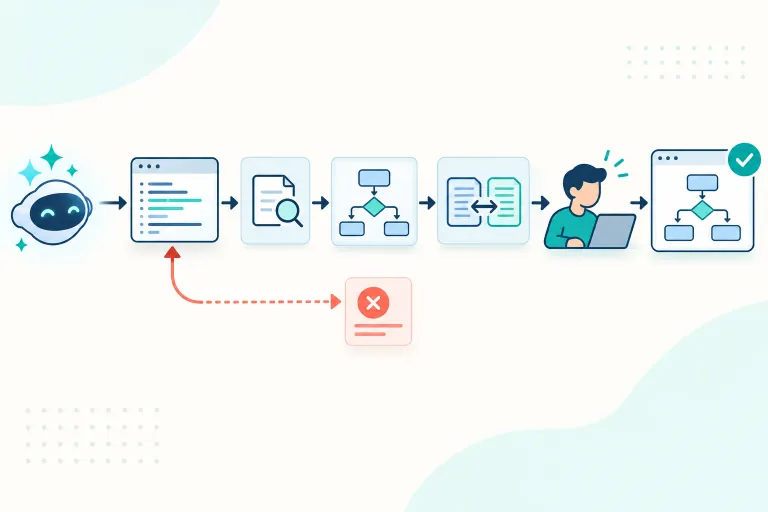
LLM to Mermaid: a validation-first workflow for accurate AI-generated diagrams
Validate LLM-generated Mermaid with syntax, render, semantic and diagram-specific checks, using a worked sequence-diagram example and checklist.
Read more

Jira Created vs Resolved Chart for Multiple Teams: Setup and Example
Configure a Jira created vs resolved chart for multiple teams with exact JQL, reconstructed settings, interpretation guidance, and four-week example data.
Read more
Specification-Driven Design: From Intent to Verifiable Software
Turn product intent into testable requirements, system designs, acceptance evidence, and controlled changes with a practical specification-driven workflow.
Read more

How to Measure Engineering Time Saved—and Added—by AI
Compare baseline and AI-assisted engineering work using generation, review, rework, defects, human effort, and elapsed time in a two-week evaluation.
Read more

Rovo MCP for Jira Capacity Planning: What Managers Can Ask, Change, and Verify
Run a controlled two-week Rovo MCP capacity-planning pilot, understand what the new tools can change, and verify every allocation before expanding access.
Read more

Mermaid Diagrams for Humans and LLMs: A Practical Balance
Design Mermaid diagrams that remain clear to business readers while giving AI assistants useful, reviewable structure.
Read more

Mermaid vs BPMN: Differences, Limitations and When to Migrate
Compare Mermaid flowcharts with BPMN 2.0, identify the limits of visual approximations, and migrate verified process meaning with a worked example.
Read more

Can You Trust a Jira AI Status Update? A Practical Checklist
Before sending an AI-written Jira update to leadership, check its scope, progress, blockers, estimates, and evidence with this practical worksheet.
Read more

ActivityTimeline vs Lightweight Jira Time Rollups: A Business Buyer's Guide
Compare ActivityTimeline with lightweight Jira time rollups by the business decision each one supports, from workforce planning to project budget checks.
Read more

How to Review Nextcloud for Jira App Password Storage
Review how Nextcloud for Jira uses Forge Secret Store for app passwords, why saved credentials stay out of the UI, and what admins should test.
Read more
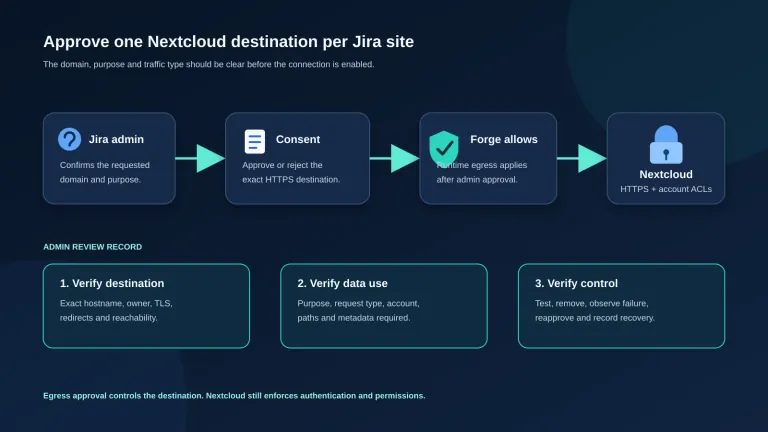
Customer-managed egress for Nextcloud Jira apps: an admin approval guide
Review the exact Nextcloud destination, data purpose, Forge consent controls and removal test before approving customer-managed egress on a Jira site.
Read more
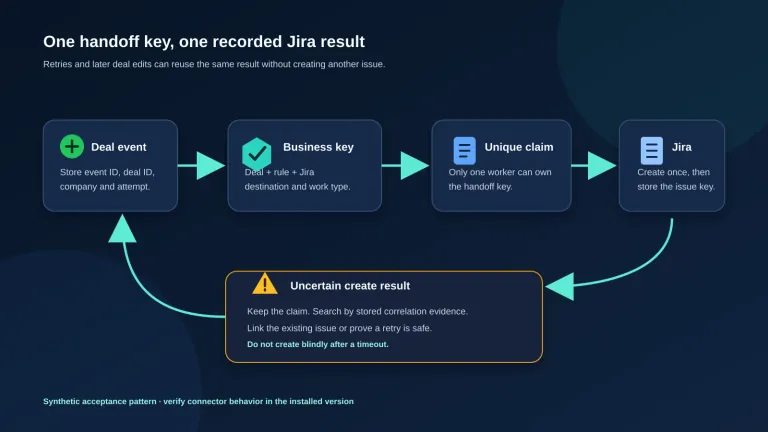
Prevent duplicate Jira issues from Pipedrive deals: a retry-safe design
Define a stable deal-to-issue key, separate webhook retries from new work, and reconcile uncertain Jira creation outcomes before replaying events.
Read more
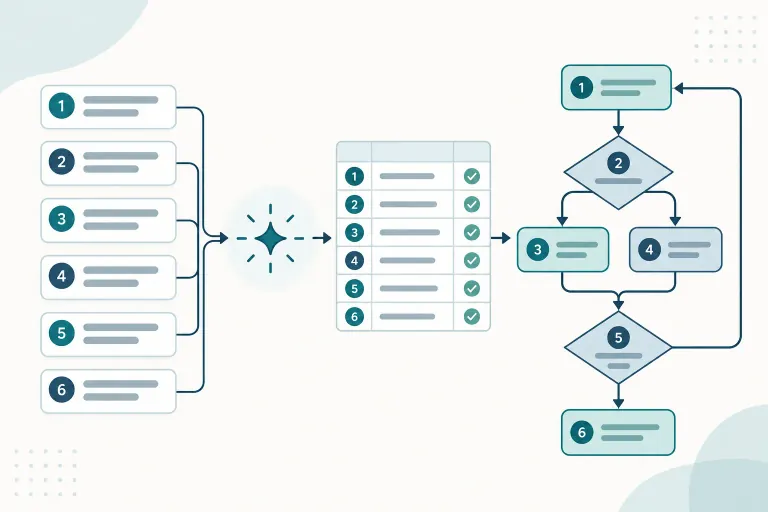
Generate a Mermaid diagram from requirements with AI
Turn written requirements into Mermaid source with a reusable AI prompt, a traceability table, and a worked example you can check.
Read more
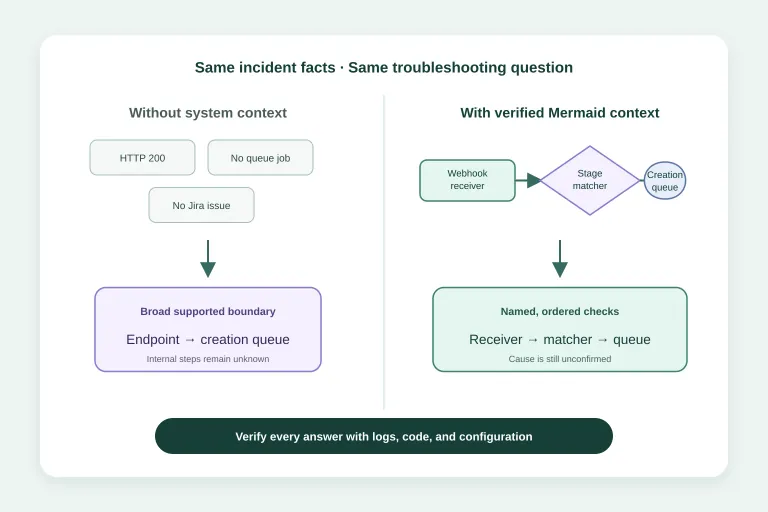
Use Mermaid as context for an LLM: a worked example
See how the same LLM troubleshooting prompt changes when it includes verified Mermaid source, with a reproducible system example and comparison.
Read more
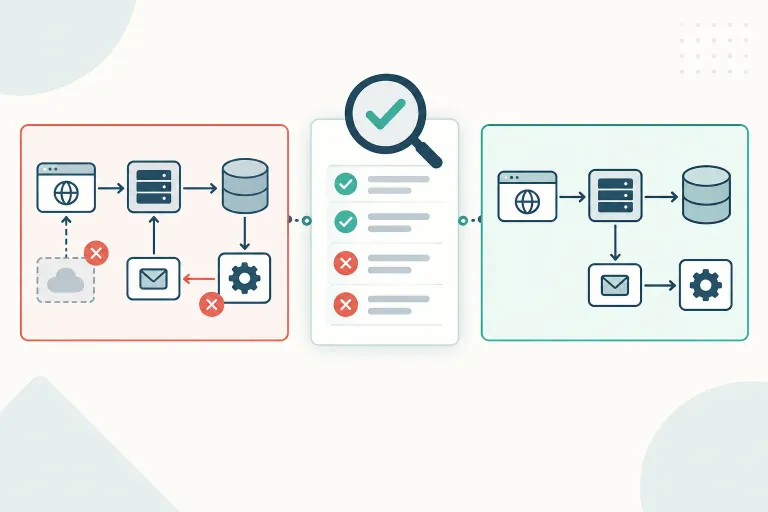
How to review an AI-generated architecture diagram for invented relationships
Check AI-generated architecture diagrams against evidence for invented components, missing links and reversed arrows, with worked Mermaid examples.
Read more
Accessible Mermaid diagrams in Confluence: a practical authoring guide
Make Mermaid diagrams easier to understand with text alternatives, accTitle and accDescr. Includes a tested SVG example and a Confluence review checklist.
Read more
Fix Mermaid parse errors in Confluence with tested examples
Diagnose Mermaid errors in Confluence with broken and fixed examples. Separate syntax failures, incorrect arrows, and renderer compatibility issues.
Read more

User Journey Maps in Confluence Using Mermaid
Document customer journeys in Confluence with Mermaid journey syntax — sections, readable task labels, actor notation, and reader tools for long horizontal flows.
Read more
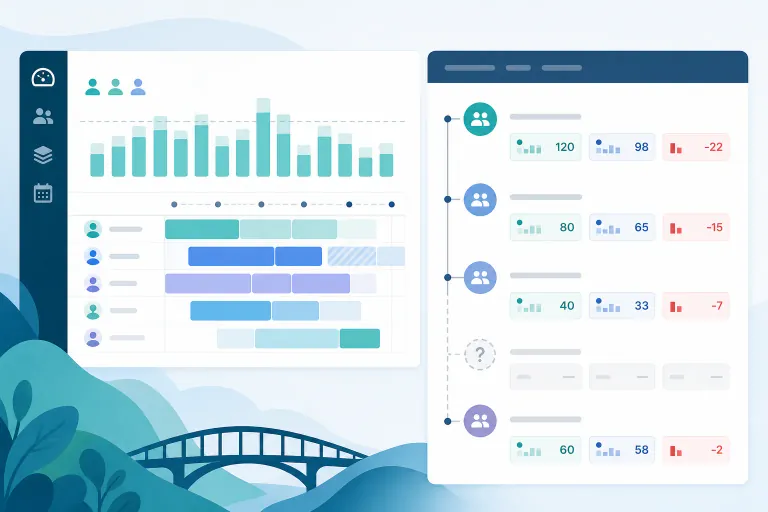
Capacity Planner Apps in Jira: What They Aggregate — and What They Skip
A vendor-neutral buyer checklist for Jira admins evaluating Atlassian Marketplace capacity planner apps — what they aggregate, common rollup gaps, and what to verify before you install.
Read more
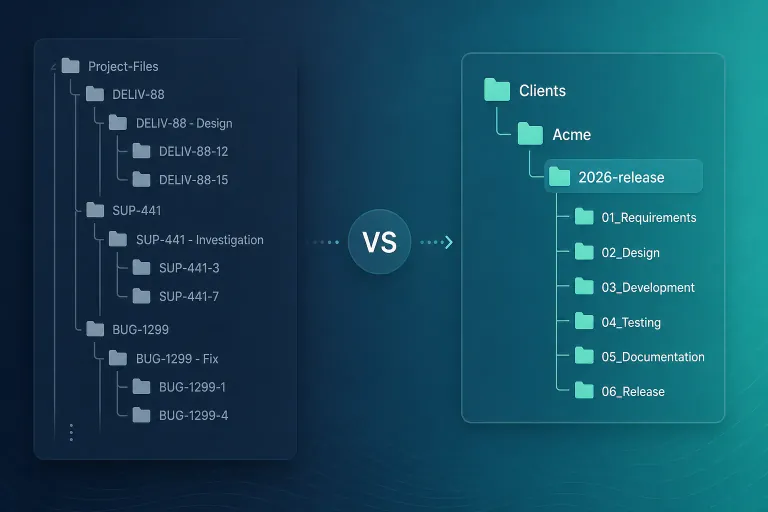
Auto-Create Jira/ISSUE-KEY Folders in Nextcloud: When It Helps and When It Doesn't
Use-case guide for Jira admins choosing auto-create Jira/ISSUE-KEY folders versus manual Nextcloud linking — team maturity stages, folder naming rules, hybrid patterns, sprawl risks, and sandbox checks before rollout.
Read more

Swimlane Flowcharts in Confluence With Mermaid Subgraphs
Map cross-team handoffs in Confluence with Mermaid subgraph swimlanes — stable lane-prefixed IDs, explicit handoff edges, page templates, and when to split oversized lane diagrams before they stop being readable.
Read more
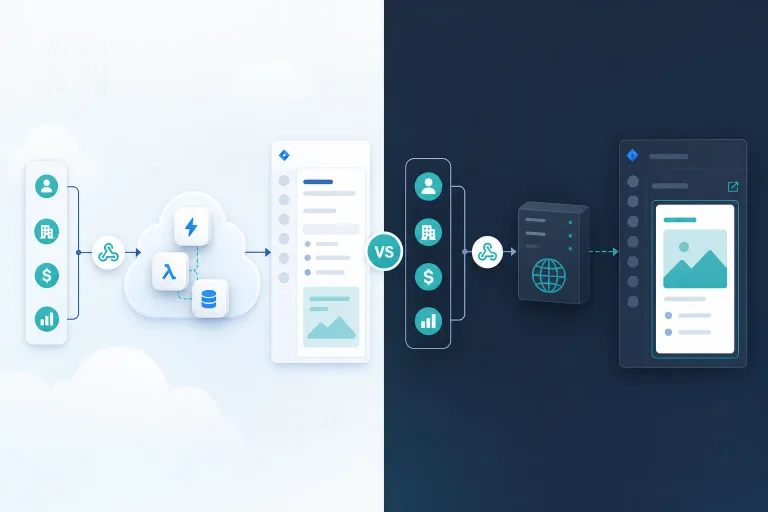
Forge vs Connect for Pipedrive Jira Apps: What Buyers Should Understand
Buyer guide for Jira admins evaluating Pipedrive Jira integration on Atlassian Marketplace: how Forge and Connect hosting differ for CRM webhooks, credentials, issue UI, monitoring ownership, and long-term Jira Cloud strategy.
Read more
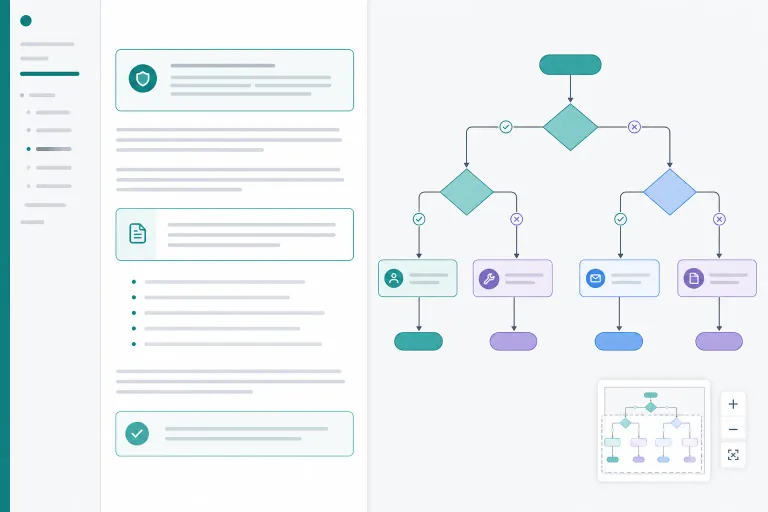
Decision Trees in Confluence: When Mermaid Beats a Bulleted List
When nested bullets fail for if/then guidance, use a Mermaid decision tree beside policy prose — diamond node patterns, label clarity, stable IDs, and reviewable source for product and support teams.
Read more
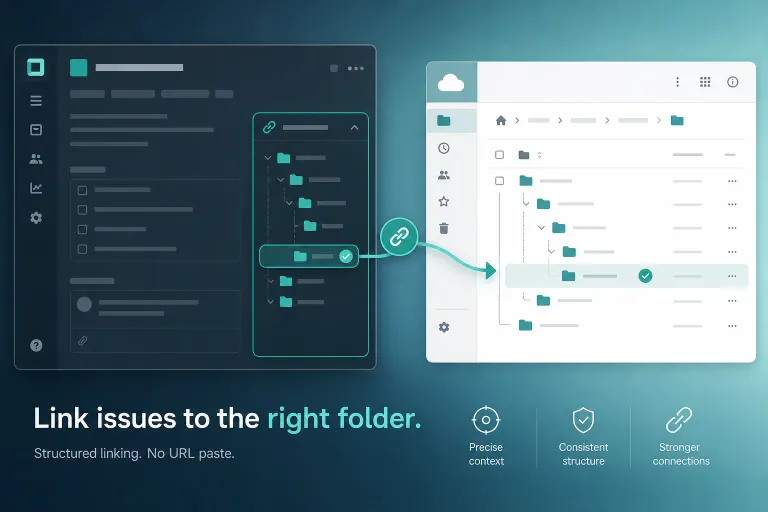
How to Link a Nextcloud Folder to a Jira Issue Without Copy-Paste URLs
How-to for linking Nextcloud folders from the Jira issue panel: manual link, optional auto-create Jira/ISSUE-KEY paths, folder taxonomy rules, and why structured linking beats copy-paste URLs in comments.
Read more
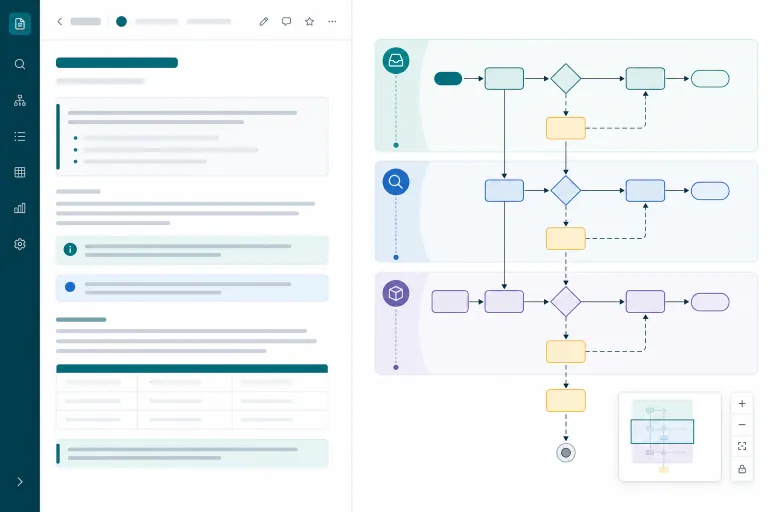
How to Document Business Processes in Confluence With Mermaid Flowcharts
Document business processes in Confluence with editable Mermaid flowchart TD source beside operational runbook prose — stable IDs, phased subgraphs, and when wide reading helps reviewers follow long exception paths.
Read more
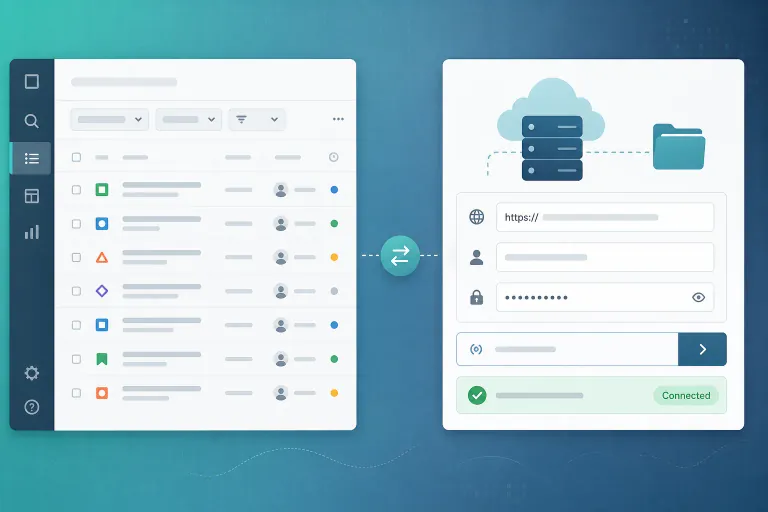
How Jira Admins Connect Nextcloud to Jira Cloud (HTTPS and App Password)
How-to for Jira Nextcloud admin setup: enter HTTPS URL, service account, app password, test connection, and save — plus egress approval, rotation, and validation before teams link folders on issues.
Read more
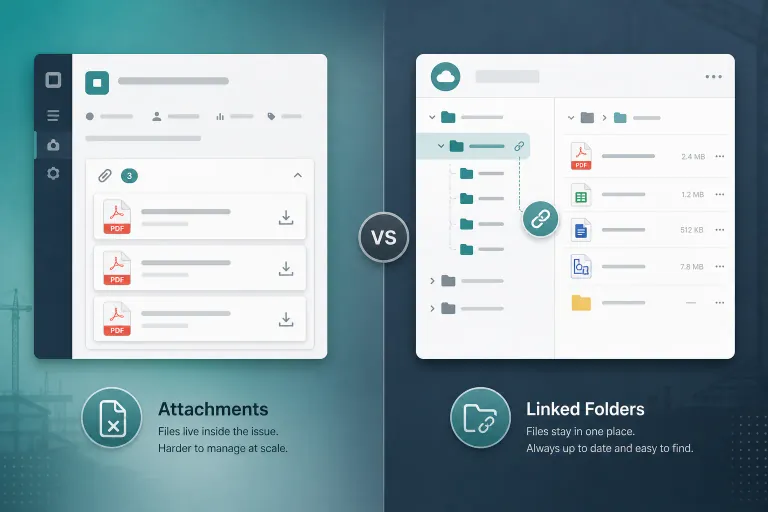
Jira Attachments vs Nextcloud Linked Folders: Which Model Fits Delivery Teams?
Buyer guide comparing Jira attachments with link-first Nextcloud folder models: when issue uploads fit, where file-server linking wins, hybrid traps, and what admins should verify before Nextcloud Jira integration.
Read more

Mermaid Diagram Governance in Confluence: Naming, Versioning, and Safe Defaults
Governance guide for Mermaid in Confluence — stable IDs, naming conventions, source review, safe defaults, forbidden interactivity patterns, diagram splitting, and rollout checks before org-wide adoption.
Read more
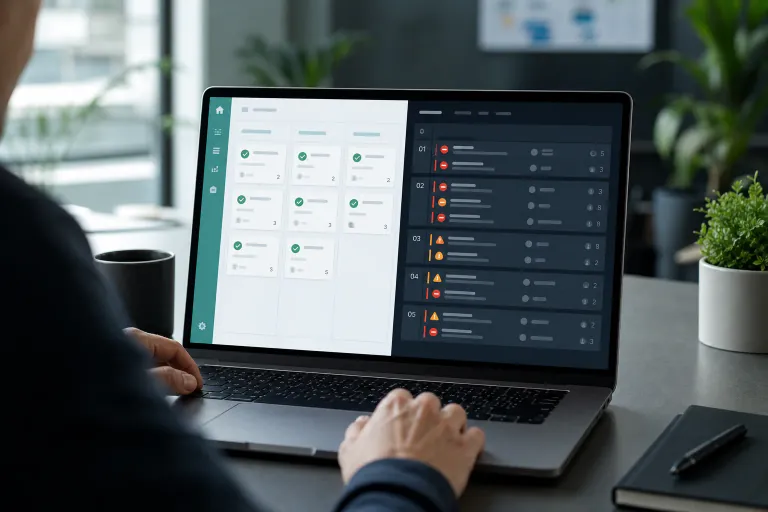
Pipedrive Projects vs Jira for Delivery: When CRM Project Management Is Not Enough
Honest buyer guide to Pipedrive Projects vs Jira for delivery: when CRM-native project boards fit sales-led work, where they hit limits, and how to keep deal context when engineering still needs Jira.
Read more
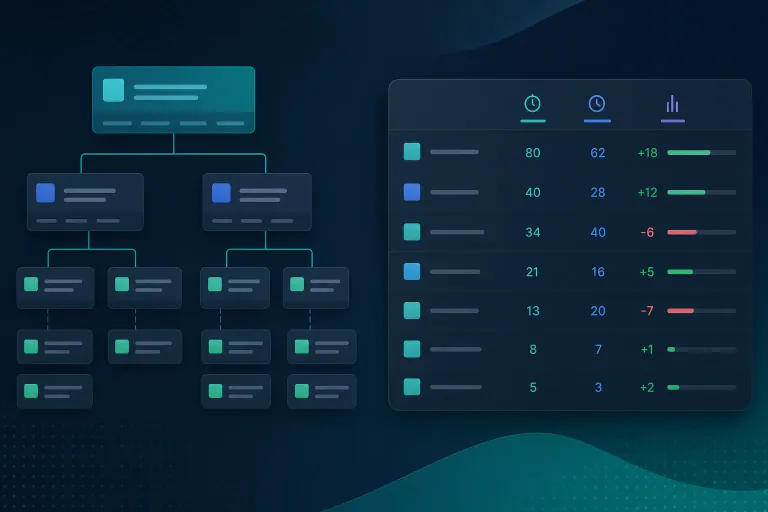
Structure for Jira vs Time Rollups: Planning Hierarchy Is Not the Same as Budget Rollup
Compare Structure for Jira hierarchy views with operational estimate and logged-time rollups for sprint reviews, client updates, and budget variance — and when each reporting job fits.
Read more
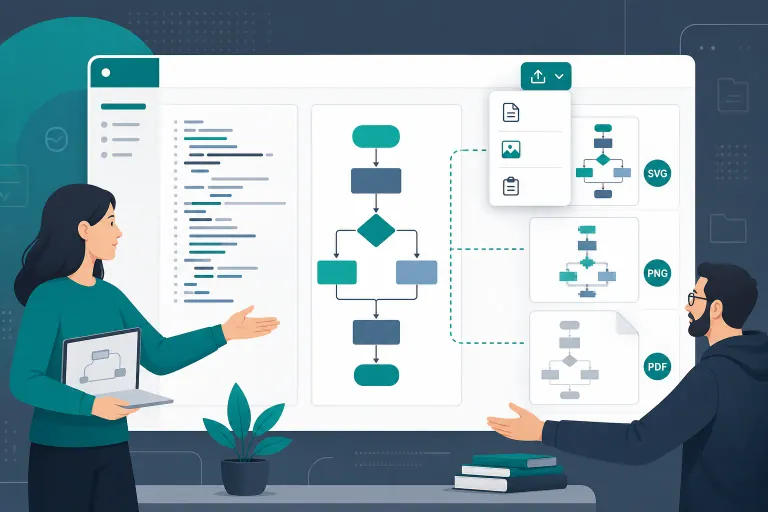
Exporting Mermaid Diagrams From Confluence: SVG, PNG, and PDF Tradeoffs
Choose the right way to export Mermaid diagrams from Confluence — when to hand off source or SVG, when PNG and PDF are best effort, and how to validate raster exports before stakeholders ask.
Read more
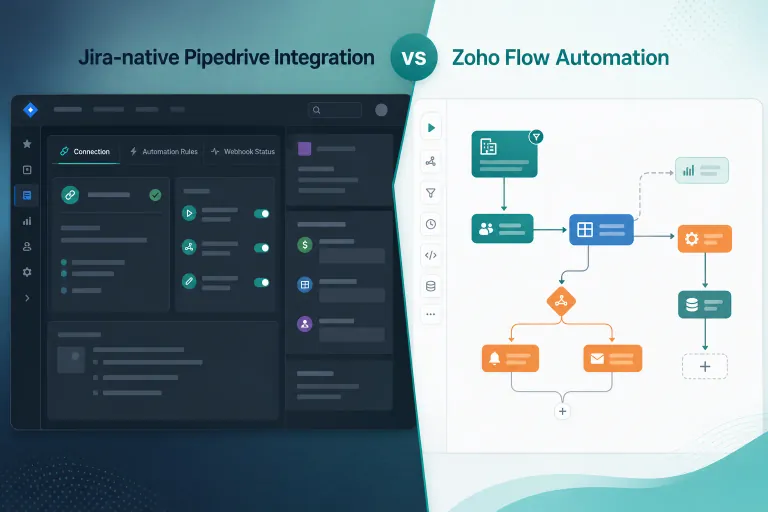
Zoho Flow Pipedrive Jira Sync vs a Dedicated Jira Plugin
Compare Pipedrive Integration for Jira with Zoho Flow for deal-to-issue workflows: in-Jira live deal panels, deal-won project vs epic creation, flow automation, two-way sync, setup, and admin ownership for Jira evaluation.
Read more
A Mermaid architecture diagram for Confluence that your team can review
Create a reviewable architecture diagram with Mermaid source, a clear boundary, and a component register. Includes an order-processing template.
Read more
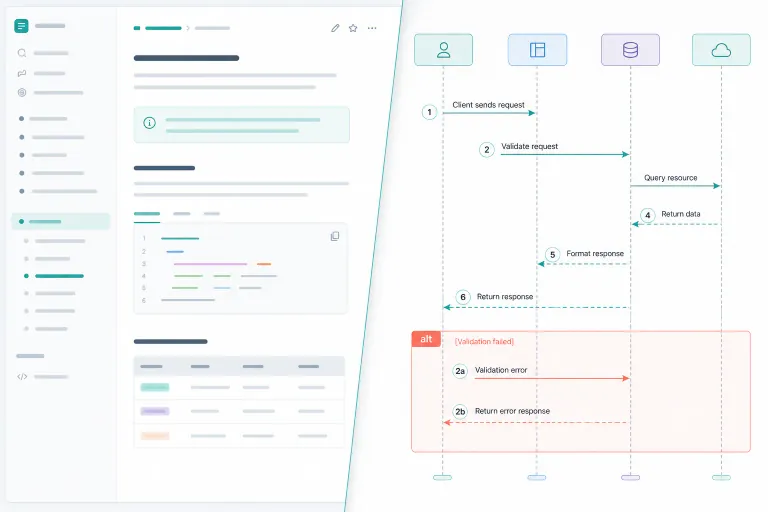
How to Document API Flows in Confluence With Mermaid Sequence Diagrams
A practical workflow for documenting API interactions in Confluence with Mermaid sequence diagrams — stable participant names, error paths, live preview, readable layout, and review handoff with Diagram Lens.
Read more
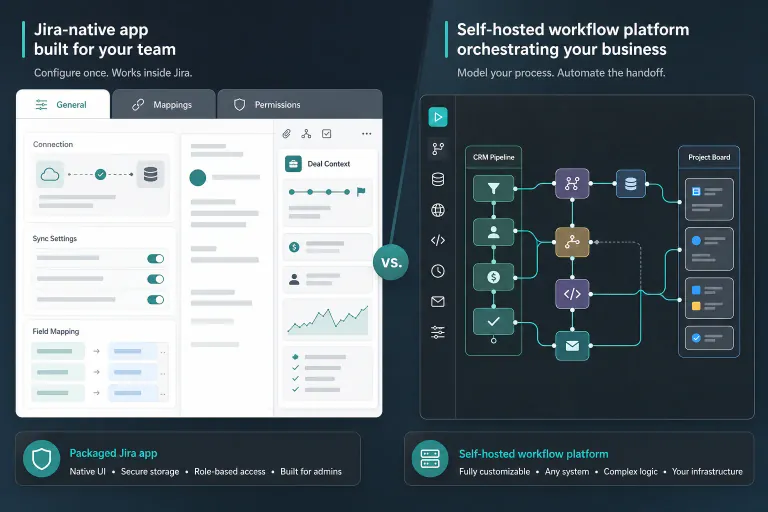
Building Pipedrive–Jira Sync with n8n vs Installing a Jira Marketplace App
Compare Pipedrive Integration for Jira with n8n for deal-to-issue workflows: in-Jira live deal panels, self-hosted workflow automation, webhook monitoring, two-way sync, and admin ownership for Jira CRM automation evaluation.
Read more

Jira Sprint Time Report: Prepare a Sprint Review When Stakeholders Ask About Hours
Prepare a Jira sprint time report for sprint review when stakeholders want logged hours, remaining work, variance, and a clear bridge from story points.
Read more
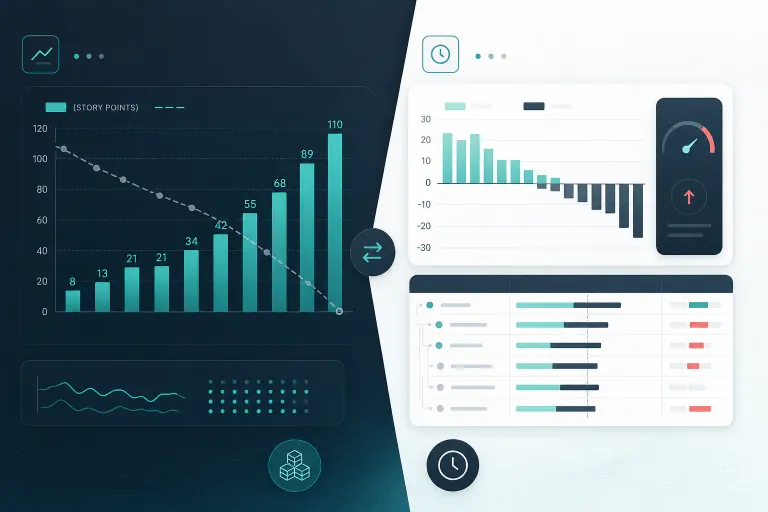
Jira Velocity Tracks Story Points — Not Hours. Why That Confuses Budget Conversations
A how-to for agile coaches and project managers: Jira velocity tracks story points and throughput, not hour budgets — learn what to report to stakeholders instead.
Read more
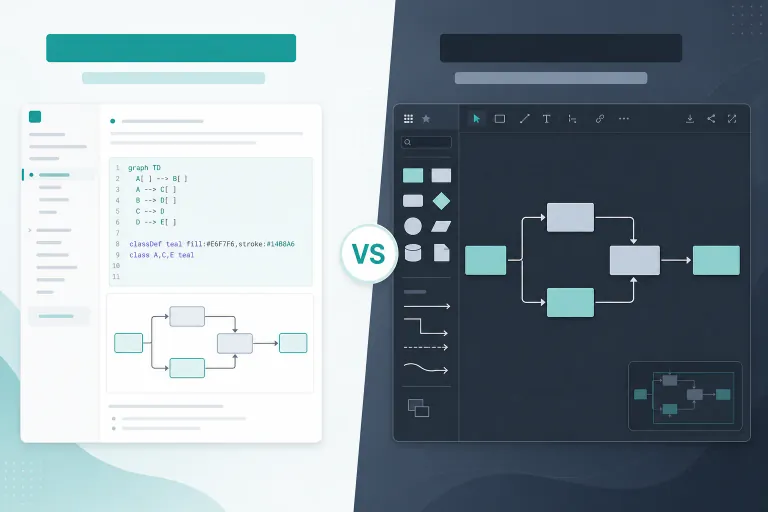
Mermaid vs draw.io vs Gliffy in Confluence: Which Fits?
Compare Mermaid vs draw.io and Gliffy in Confluence. See how source retention, visual editing, regeneration, collaboration, and exports differ.
Read more
Zapier vs a Dedicated Pipedrive–Jira Connector: What to Check
Compare a dedicated Pipedrive Jira connector with Zapier for the same sales handoff. Check fields, later updates, recovery, and operating cost.
Read more

Mermaid Macro Security in Confluence: What Admins Should Check Before Installing
A Confluence admin security checklist for evaluating Mermaid macro apps — covering Forge scopes, storage:app, external egress, remote renderers, HTML labels, JavaScript links, click actions, and vendor privacy pages.
Read more
Jira Sprint Rollover and Scope Change: A Reconciliation Guide
Report Jira sprint rollover using committed, added, removed, completed, and carried-over work, with JQL, dashboard setup, formulas, and a downloadable reconciliation sheet.
Read more
Map Pipedrive custom fields into a Jira description without losing their meaning
Preserve option labels, currency, dates, and missing values when mapping Pipedrive fields to Jira. Verify snapshots and later update behavior.
Read more
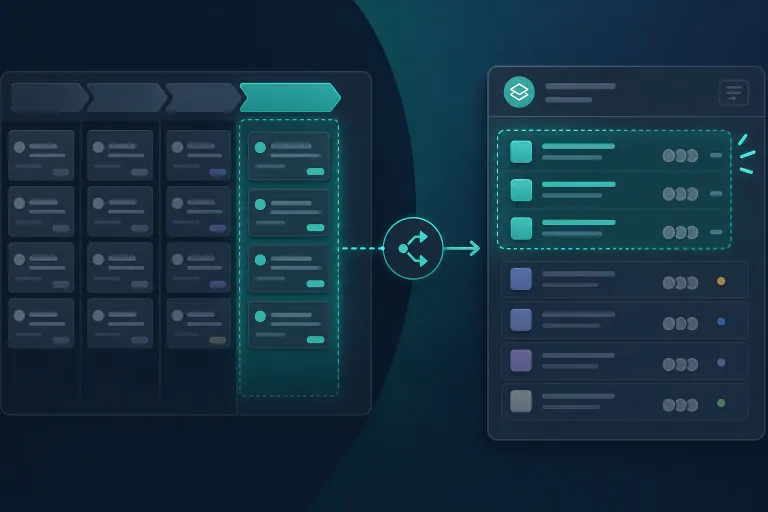
Which Pipedrive Pipeline Stage Should Trigger Jira Issue Creation?
A buyer guide for Jira admins and operations leads: choose deal created, stage reached, or deal won triggers based on your sales-to-delivery workflow — before configuring Automation Rules.
Read more

Read large Mermaid diagrams in Confluence without losing your place
Navigate large Mermaid diagrams with readable labels, an overview, search, and focused paths. Includes downloadable source for a sample workflow.
Read more

The 5 Jira Time Reports Every Project Manager Asks For (And Where Native Jira Stops)
Map five recurring Jira time report questions to native reports, JQL, and exports — and learn where sprint, epic, assignee, and period reporting still needs another path.
Read more
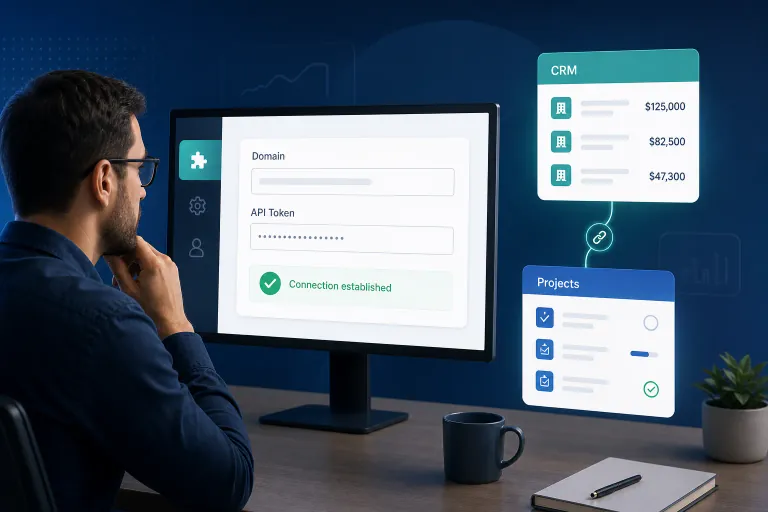
Pipedrive API Tokens and Jira Admins: What to Configure Before You Connect
Jira admin buyer guide for Pipedrive API token Jira integration setup: verify company domain, token ownership, permissions, rotation, and security before entering credentials on the Connection tab.
Read more
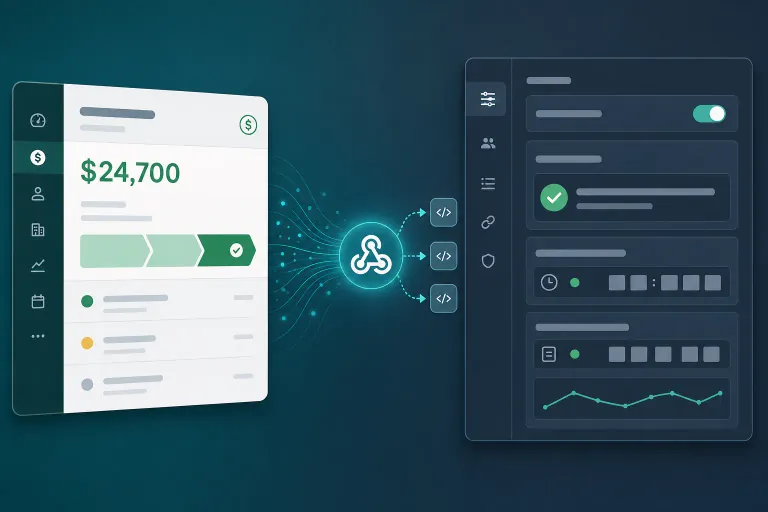
Pipedrive Jira webhook troubleshooting: trace one event to its result
Trace a Pipedrive event through delivery, rule selection, and Jira creation. Investigate missing issues, required fields, and duplicate uncertainty.
Read more
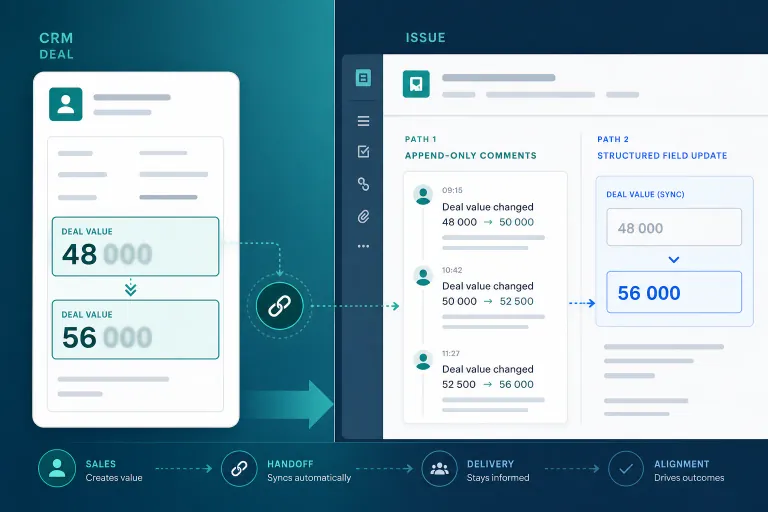
When a Pipedrive Deal Changes, Should Jira Get a Comment or a Field Update?
Compare comment-based Pipedrive deal change notifications with Jira field updates so delivery teams see tracked changes without losing audit trails or reporting structure.
Read more
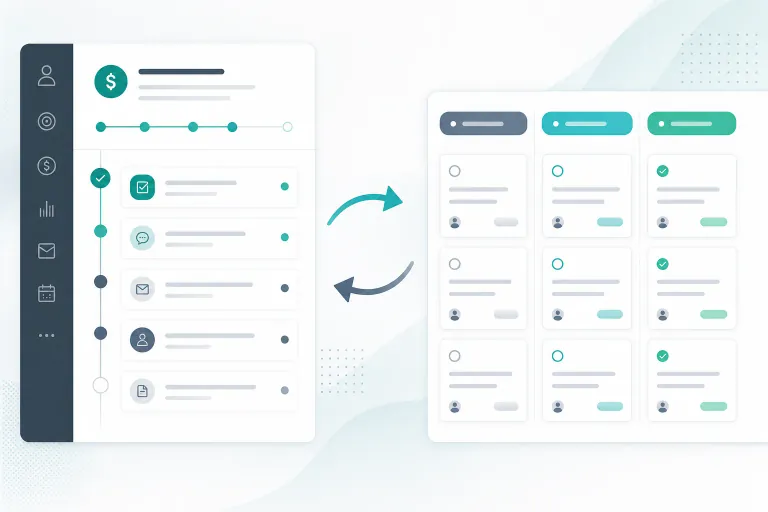
Sync Jira Status Changes Back to Pipedrive: A Sales Visibility Playbook
Log Jira workflow progress as Pipedrive activities so sales sees delivery movement on the deal timeline — without status meetings or manual CRM updates.
Read more
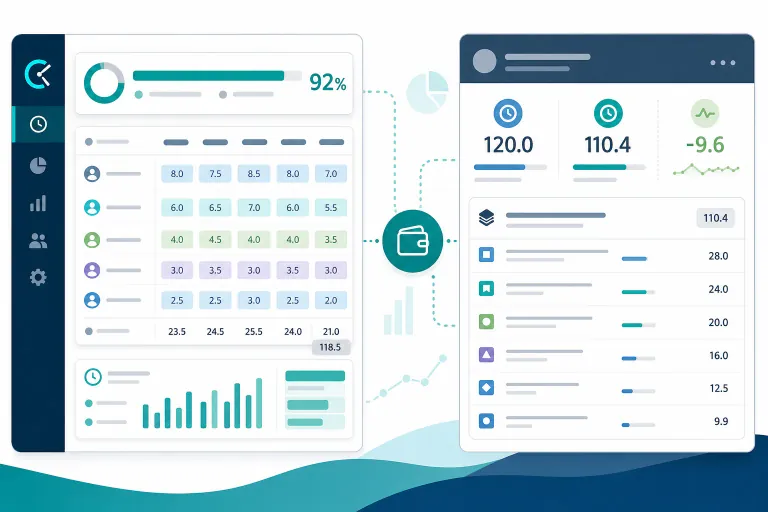
Can You Use Clockify with Jira for Project Budget Reporting?
A buyer guide on Clockify Jira integration limits for project budget reporting: what syncs into Jira worklogs, where epic rollups still break, and what PMs should verify before relying on external time tracker data in Jira.
Read more
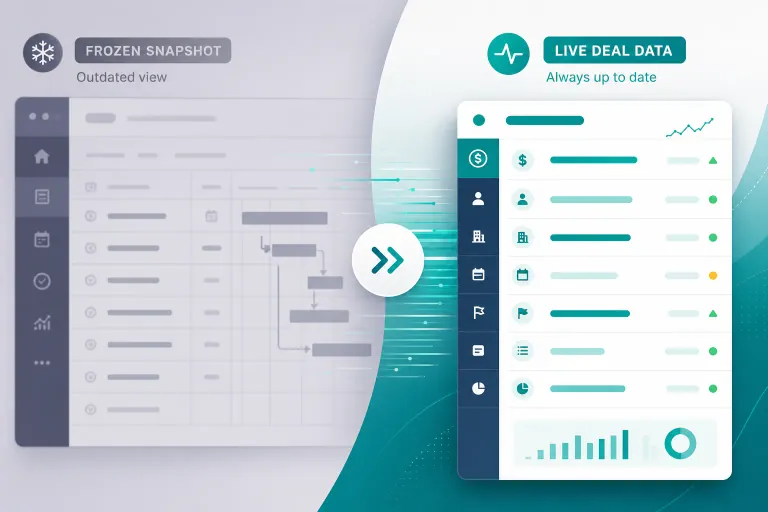
Why Delivery Teams Need a Live Pipedrive Panel Inside Every Jira Issue
Static deal snapshots in Jira descriptions go stale after handoff. A live Pipedrive panel fetched when the issue opens keeps commercial context current for implementation managers — without replacing native Jira fields.
Read more
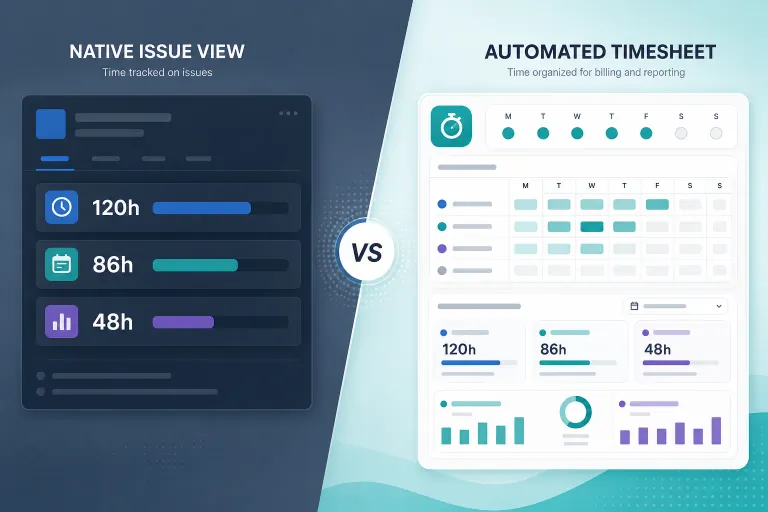
Clockwork Automated Timesheets vs Native Jira Time Fields: A Reporting Comparison
Compare Clockwork automated timesheets with native Jira original estimate, logged time, and remaining estimate reporting so teams choose capture and billing tooling — or native discipline — for the right reporting job.
Read more
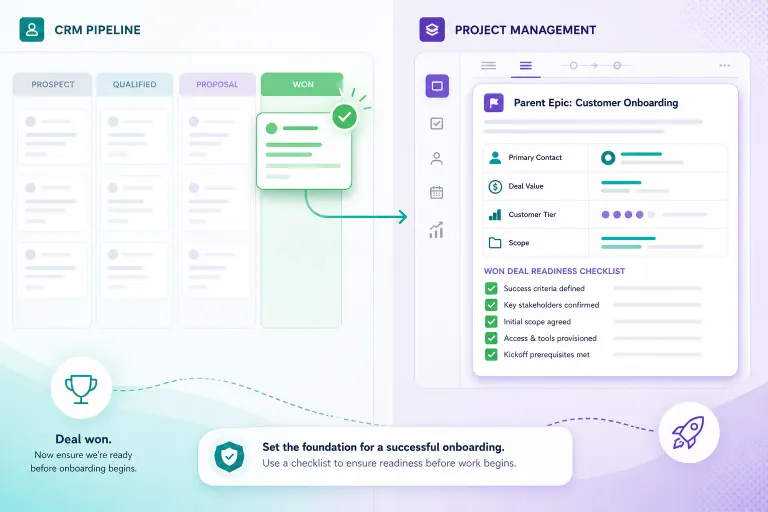
Deal Won in Pipedrive — What Should Happen in Jira Before Onboarding Starts?
A practical won-deal checklist for sales-led delivery teams: what must be ready in Pipedrive and Jira before implementation onboarding begins — and what to verify before automating the handoff.
Read more
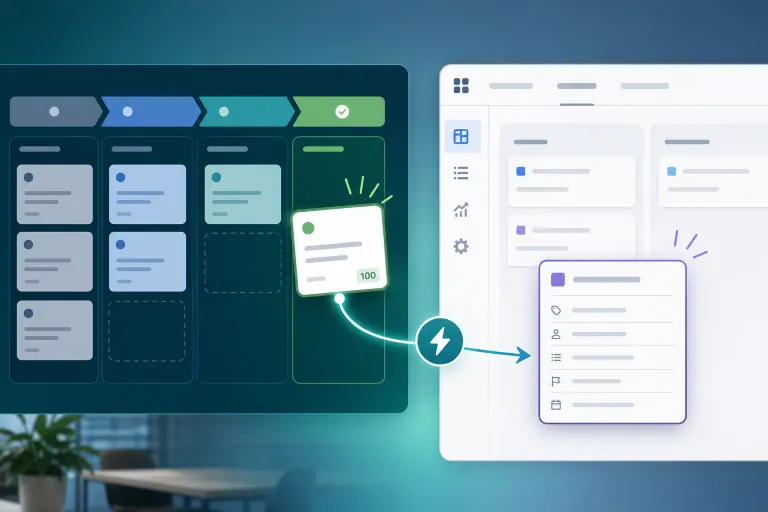
Create a Jira issue from a Pipedrive deal: define and verify the handoff
Define a Pipedrive-to-Jira handoff, map required context, and verify a sample deal. Check repeated events, later changes, and destination permissions.
Read more
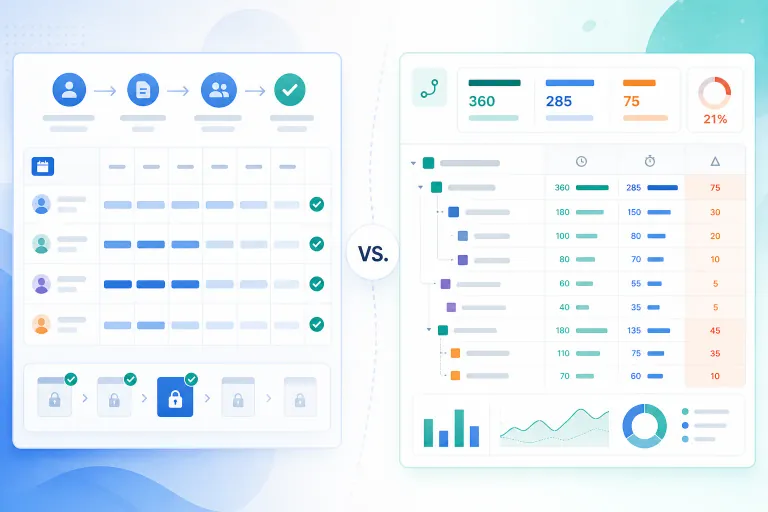
When Tempo Timesheets Makes Sense — and When a Lighter Rollup Tool Is Enough
Compare Tempo Timesheets with lightweight Jira epic and project rollups so admins and delivery leads choose timesheet governance or rollup reporting — not the wrong Marketplace category.
Read more
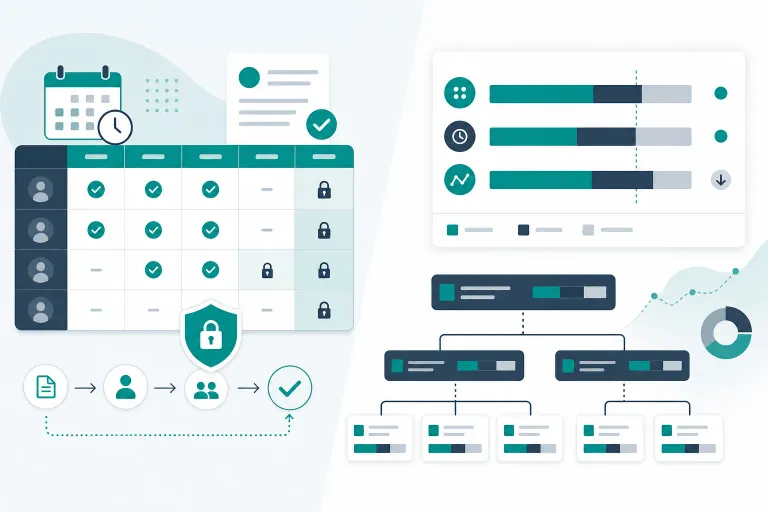
Jira timesheets and worklogs: run a clear review and correction process
Run a clear Jira timesheet review process. Define periods, reconcile entries, handle corrections, and distinguish logged hours from approved time.
Read more
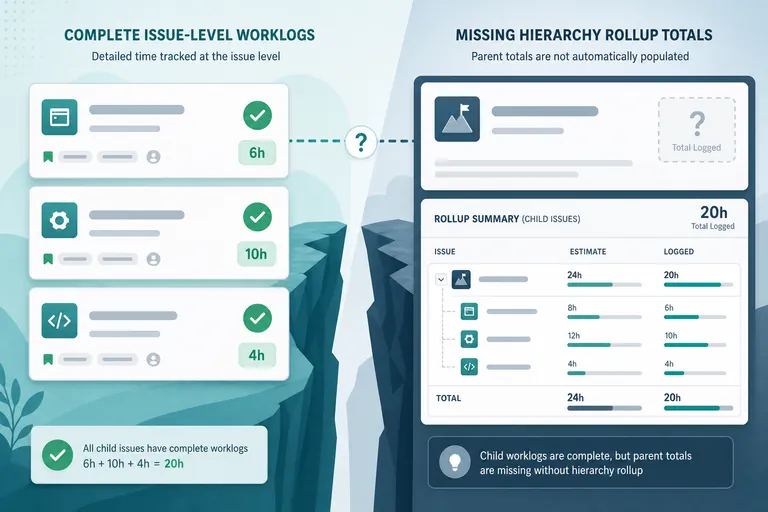
Why Jira Worklogs Look Complete Until You Try to Roll Them Up
Why complete Jira worklogs on child issues do not automatically produce trustworthy rollup totals on epics, parents, or sprints — and what project managers should verify before reporting.
Read more
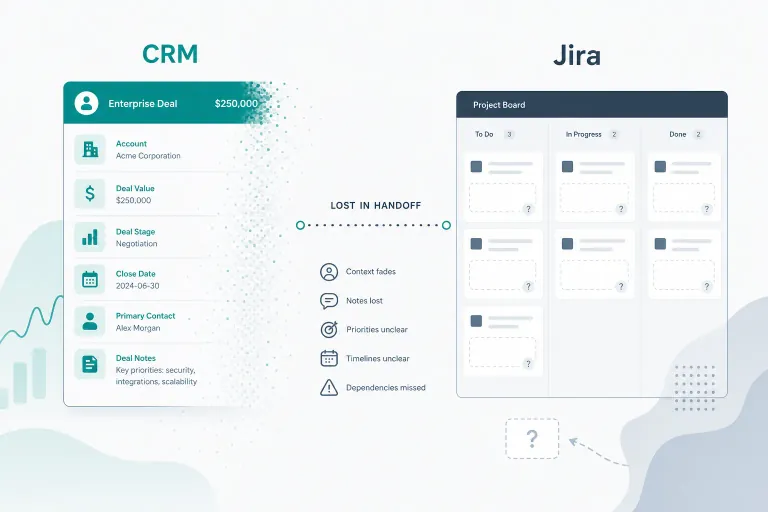
Pipedrive-to-Jira Sales Handoff: A Delivery Workflow Guide
Plan a Pipedrive Jira integration for sales-to-delivery handoff: triggers, deal-won automation, field mapping, ownership, live CRM data, reverse sync, and monitoring.
Read more
Jira Remaining Estimate: How It Changes and How to Report It
See how Jira remaining estimates change after logging, correcting, editing, or deleting work. Use a worked table, reporting formula, and downloadable CSV.
Read more

Before You Change Jira's Time Tracking Provider, Check These Admin Risks
A Jira admin checklist for replacing the default time tracking provider — covering permissions, vendor data handling, Marketplace privacy links, reporting fit, and rollback before you switch.
Read more
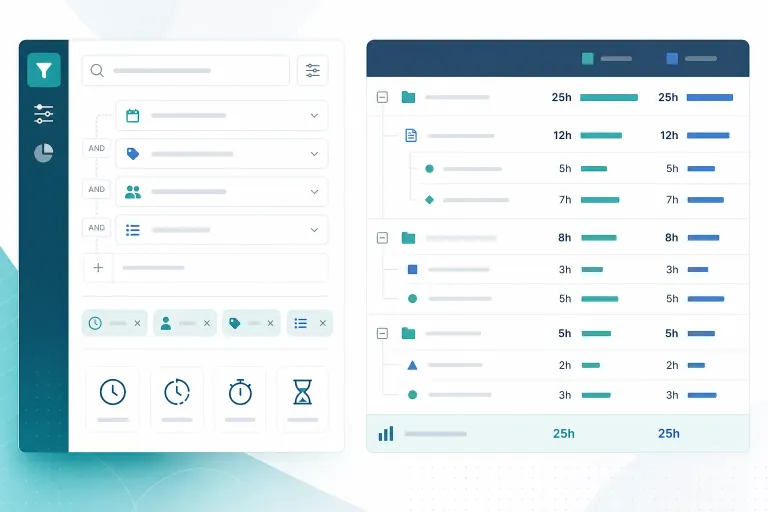
Can JQL Show Time Spent in Jira? What It Can and Cannot Tell You
Learn how Jira timeSpent JQL filters find issues by logged time and estimates, and where JQL stops being enough for worklog totals and budget rollups.
Read more
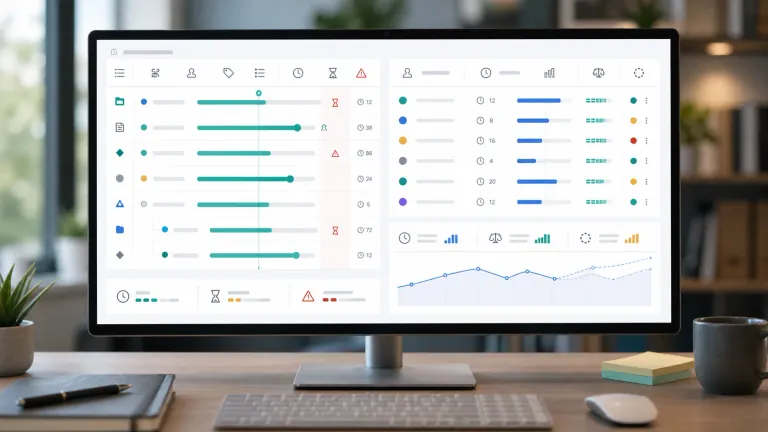
Jira time in status vs time spent: two clocks for different decisions
Compare workflow duration with logged effort using one Jira issue example. Understand calendars, repeat visits, cycle time, and reporting boundaries.
Read more
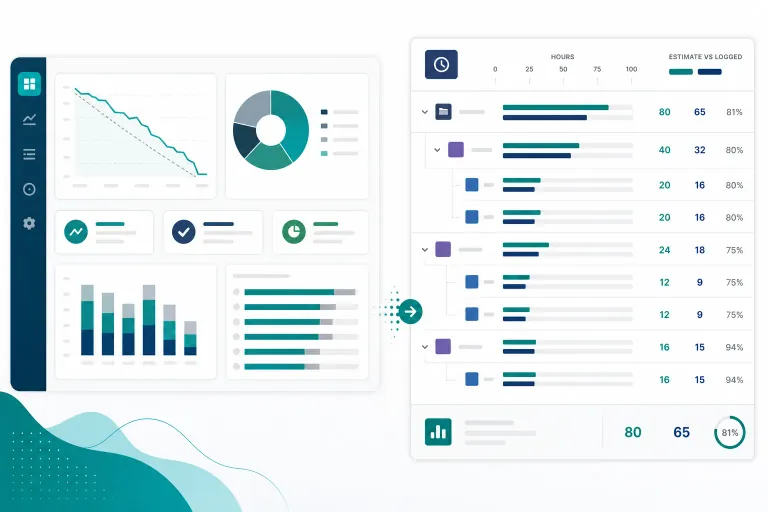
Why Your Jira Dashboard Still Cannot Explain Where the Hours Went
Why Jira dashboard gadgets excel at status visibility but often miss explainable time rollups by epic, parent, assignee, or sprint — and what to verify before stakeholder reporting.
Read more
Jira Plans roll-ups vs time reporting: choose the view that answers your question
Distinguish Jira Plans estimates from logged effort and historical baselines. Reconcile scope, units, hierarchy, and changing forecast values.
Read more

Before You Install a Jira Time Tracking App, Ask These 12 Questions
A vendor-neutral buyer checklist for evaluating Jira time tracking and rollup apps — covering reporting job, permissions, hierarchy, data handling, and admin fit before you install from the Marketplace.
Read more
Jira time-tracking apps: choose between timers, timesheets, roll-ups, and planning
Compare Jira timers, timesheets, effort roll-ups, and planning workflows. Evaluate documented capabilities with a practical acceptance checklist.
Read more
Jira estimated vs actual: calculate effort variance with a worked example
Calculate Jira effort variance with original estimates, logged time, and remaining work. Use a five-issue example and downloadable CSV files.
Read more

Why Your Jira Epic Always Shows 0 Hours (And What to Do About It)
Why Jira epic time tracking can show 0 hours when work is logged on child issues, and how project managers can prepare clearer budget rollups.
Read more

Why Jira Subtasks Make Sprint Time Reports Harder Than They Look
Why Jira subtask estimates and worklogs can make sprint reports confusing, plus a practical checklist before managers trust sprint time numbers.
Read more

Why Your Team Will Never Get Better at Sprint Estimation Until You Fix This
Why Jira sprint estimation keeps failing when teams cannot see scope changes, hidden child work, logged time, remaining work, and variance trends early enough.
Read more

Jira MCP Server
Discover how a Jira MCP Server bridges the gap between your AI assistant and your backlog for seamless development.
Read more